



 12 Section
 8 Hours
This training ensures crew members on passenger ships (e.g., cruise ships, ferries) can manage crowds, assist passengers in emergencies, and follow evacuation procedures as per STCW Regulation V/2 and SOLAS and Teaches safe loading, stowage, securing, and handling of cargo to prevent accidents, structural damage, or pollution (aligned with STCW VI/1, VI/2 and IMSBC/IMDG Codes) including maintaining structural strength, watertight integrity, and damage control to prevent flooding or collapse (per SOLAS II-1 and ISM Code).
COURSE OBJECTIVES
Key Objectives
? Crowd Management
- Control passenger movement during emergencies.
- Prevent panic and ensure orderly evacuation.
- Assist vulnerable passengers (children, elderly, disabled).
? Passenger Safety Drills
- Conduct musters and lifeboat drills.
- Operate life-saving appliances (lifejackets, evacuation slides).
- Communicate emergency instructions clearly.
? Crisis Management & Human Behavior
- Handle distressed passengers.
- Coordinate with bridge and emergency teams.
- Follow procedures for abandon ship and fire emergencies.
Relevant IMO Model Courses:
- 1.29 (Crowd Management & Passenger Safety)
- 1.30 (Crisis Management & Human Behavior)
? General Cargo Safety
- Understand cargo securing manuals and stability calculations.
- Prevent shifting loads and hull stress.
- Follow dangerous goods (IMDG Code) handling procedures.
? Specialized Cargoes
- Bulk Carriers: Prevent cargo liquefaction (e.g., nickel ore, grain).
- Tankers: Safe handling of oil, chemicals, and gas (STCW A-V/1).
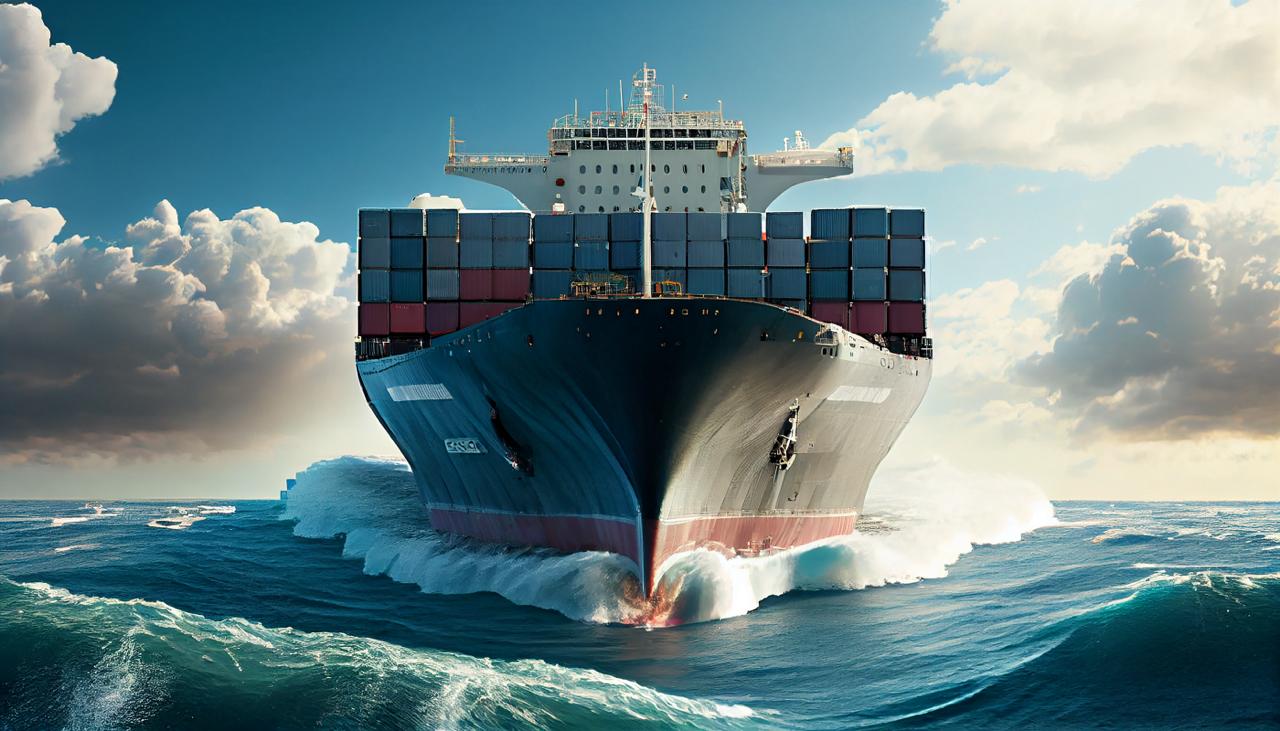
- Container Ships: Securing and lashing containers to prevent loss.
? Emergency Response
- Firefighting for cargo-related fires (e.g., chemical reactions).
- Spill containment and pollution prevention.
Relevant IMO Model Courses:
- 1.38 (Marine Cargo Operations)
- 1.01 (Tanker Familiarization)
- 1.05 (Bulk Carrier Safety)
? Hull Structure & Stability
- Identify corrosion, cracks, and fatigue damage.
- Understand load lines and stress factors.
- Use ballast water management to maintain stability.
? Damage Control
- Respond to flooding, collisions, or grounding.
- Operate watertight doors and bilge systems.
- Conduct emergency repairs (e.g., shoring up leaks).
? Preventive Maintenance
- Follow class society rules (e.g., ABS, LR, DNV).
- Inspect hatches, bulkheads, and welding joints.
- Use non-destructive testing (NDT) methods.
Relevant IMO Model Courses:
- 3.11 (Damage Control & Stability)
- 2.07 (Ship Construction & Stability)
Comparison Summary
|
Training Type |
STCW Regulation |
Key Focus |
IMO Model Course |
|
Passenger Safety |
V/2, V/3 |
Crowd control, evacuation |
1.29, 1.30 |
|
Cargo Safety |
VI/1, VI/2 |
Safe stowage, hazardous cargo |
1.38, 1.01, 1.05 |
|
Hull Integrity |
SOLAS II-1 |
Structural strength, damage control |
3.11, 2.07 |
 Enrolled : 0 Participant
 Duration : 8 hours
 Section : 15
 Level : Intermediate
 Language : English